Understanding the Evolution of High-Bandwidth Memory in Modern Computing Systems
High-Bandwidth Memory (HBM) addresses the severe memory bottleneck in modern computing by vertically stacking DRAM dies through microscopic silicon vias, delivering massive data transfer rates directly to processors. As artificial intelligence workloads and high-performance computing tasks scale exponentially, traditional planar memory architectures struggle to keep pace with bandwidth demands. This structural shift from 2D memory layouts to 3D vertical integration transforms how system architects approach thermal management, power efficiency, and data throughput in enterprise servers.
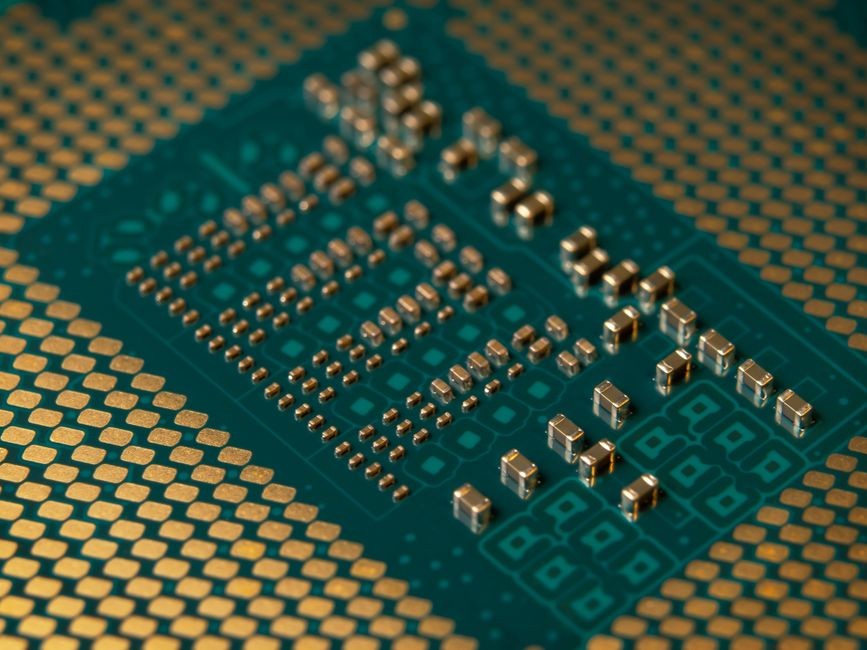
Key takeaways
- HBM stacks multiple DRAM dies vertically, connected by Through-Silicon Vias (TSVs) to achieve unprecedented data transfer bandwidth.
- A wide interface bus allows HBM to operate at lower clock speeds while still outperforming traditional GDDR or DDR memory in total throughput.
- Advanced packaging technologies, such as silicon interposers and hybrid bonding, are essential for mounting HBM directly alongside processors.
- Thermal dissipation and mechanical stress remain primary engineering challenges due to high power density within compact 3D volumes.
The Architecture of 3D Memory Stacks
Traditional memory solutions like DDR5 rely on long traces on a motherboard to communicate with the central processing unit. This physical distance introduces latency and limits the width of the data bus. HBM eliminates this constraint by moving the memory chips onto the same substrate as the processor, linked by a high-density silicon interposer.
At the silicon level, multiple dynamic random-access memory dies are stacked one on top of another. These dies are pierced by thousands of microscopic vertical channels known as Through-Silicon Vias. TSVs act as microscopic elevators, allowing signals to travel vertically through the stack with minimal resistance and extremely short electrical paths.
Bus Width and Performance Scaling
One of the most defining characteristics of HBM is its extremely wide memory interface. While a typical consumer DDR5 module uses a 32-bit or 64-bit wide data bus, standard HBM configurations utilize a 1024-bit wide bus per memory stack.
Why Bus Width Matters
By widening the pathway rather than solely increasing the frequency, memory designers can move vast amounts of data simultaneously. This approach reduces the need for aggressive clock scaling, which in turn helps control overall power consumption and heat generation. The trade-off, however, lies in the complexity of routing thousands of connections within a microscopic surface area.
Advanced Packaging and Manufacturing Processes
Manufacturing HBM requires sophisticated semiconductor packaging techniques that go beyond traditional wafer fabrication. The integration process typically involves placing the processor die and multiple HBM stacks onto a passive silicon interposer, which contains fine metal lines to route signals between the components.
As generations of HBM evolve, manufacturers are moving from traditional micro-bumps to advanced hybrid bonding methods. Hybrid bonding creates direct copper-to-copper and oxide-to-oxide connections between stacked dies. This eliminates the microscopic solder bumps entirely, reducing the vertical profile of the stack and improving both thermal conductivity and electrical performance.
Thermal Management in Dense Stacks
Placing multiple silicon dies directly on top of each other creates significant thermal challenges. Heat generated in the lower dies must pass upward through the entire stack to reach the heat sink, often leading to localized hot spots that can degrade performance or trigger thermal throttling.
- Implement thermal interface materials with high thermal conductivity between the top of the HBM stack and the cooling solution.
- Integrate thermal sensors directly into individual DRAM dies to monitor temperature gradients in real time.
- Optimize cooling system airflow or liquid cooling block placement to ensure even pressure across both the processor and memory stacks.
- Adjust workload scheduling in software to distribute computational intensity and prevent sustained thermal spikes in specific memory banks.
Evaluating HBM Integration for Enterprise Systems
System architects must weigh several technical and economic factors before specifying HBM-based solutions for enterprise hardware deployments. Because HBM is permanently packaged alongside the processor, upgradeability is limited compared to traditional slot-based memory modules.
| Memory Type | Bus Width | Typical Form Factor | Primary Use Case |
|---|---|---|---|
| DDR5 | 32 to 64-bit | DIMM module | Enterprise servers, client PCs |
| GDDR6 | 32-bit per channel | Surface-mount IC | Graphics cards, gaming consoles |
| HBM3 | 1024-bit per stack | On-substrate integration | AI accelerators, supercomputers |
Actionable Checklist for Hardware Assessment
- [ ] Verify the maximum bandwidth requirements of your target workload before selecting a memory architecture.
- [ ] Review thermal design power specifications to ensure your chassis cooling can handle dense 3D stacks.
- [ ] Confirm packaging compatibility with your semiconductor foundry or hardware supplier.
- [ ] Analyze power delivery network stability to support high-current transients during peak memory access.
- [ ] Evaluate total cost of ownership, factoring in advanced packaging yields and specialized substrate costs.
Frequently asked questions
Why is HBM more expensive than standard DDR memory?
HBM requires complex 3D stacking processes, Through-Silicon Vias, and advanced packaging techniques like silicon interposers, which currently yield lower manufacturing volumes and higher production costs than standard surface-mount memory.
Can HBM be upgraded or replaced in the field?
No. HBM is physically integrated onto the same substrate or interposer alongside the processor during manufacturing, making field upgrades impossible.
How does HBM reduce power consumption?
By utilizing an exceptionally wide data bus, HBM achieves high throughput at lower clock frequencies, significantly reducing the dynamic power required per transferred bit compared to narrow, high-frequency memory interfaces.
Before you decide
When planning infrastructure investments or hardware specifications involving advanced memory technologies, engineers and procurement teams should consult primary technical documentation from standards bodies such as JEDEC, as well as official datasheets from major semiconductor manufacturers like SK Hynix, Samsung Electronics, and Micron Technology. Specifications, packaging yields, and thermal characteristics vary significantly between generations and specific vendor implementations.



10 Recommended Products
This post contains Coupang Partners affiliate links. If you visit Coupang through one of these links and make a purchase within 24 hours, including a purchase of another eligible product, we may earn a commission at no additional cost to you. Attribution rules, cancellations and returns may affect commission eligibility. / 이 게시물에는 쿠팡 파트너스 제휴 링크가 포함되어 있습니다. 이 링크를 통해 쿠팡에 방문한 뒤 24시간 이내에 다른 상품을 구매하더라도 운영정책상 실적으로 인정되는 구매라면 수수료를 제공받을 수 있습니다. 구매 경로의 최종 기여, 주문 취소 및 반품 등에 따라 수수료가 인정되지 않을 수 있습니다.
 Health Functional FoodsCJ BioCore 500 Billion Probiotics
A high-count probiotic product. Review the strains, storage instructions, and recommended serving.
Shop on Coupang Health Functional FoodsCollagen 3270 Supplement
A collagen supplement option. Check the collagen source, serving size, and ingredients.
Shop on Coupang Health Functional FoodsLacto-Fit Gold Probiotic Powder, 80 Sticks
A daily probiotic supplement in single-serve sticks. Review the strain information, ingredients, and suggested use on the label.
Shop on Coupang Health Functional FoodsLutein and Zeaxanthin 164
A lutein and zeaxanthin supplement. Review ingredient amounts and directions.
Shop on Coupang Health Functional FoodsRTG Omega-3 with Vitamin D
An omega-3 supplement combined with vitamin D. Check the EPA/DHA amounts, ingredients, and suitability before use.
Shop on Coupang K Beauty SkincareAnua Heartleaf 77 Soothing Toner
A calming daily toner with heartleaf for a balanced skincare routine.
Shop on Coupang K Beauty SkincareCOSRX Snail Radiance Dual Essence
A dual-texture essence for a hydrated, radiant-looking complexion.
Shop on Coupang K Beauty SkincareBeauty of Joseon Relief Sun SPF50+
A lightweight daily sunscreen for broad-spectrum UV protection.
Shop on Coupang K Beauty SkincareRound Lab Birch Juice Moisturizing Cream Set
A daily moisturizing cream set for comfortable, hydrated skin.
Shop on Coupang K Beauty SkincareTorriden Dive-In Hyaluronic Acid Toner
A hydrating toner for a fresh, moisture-focused routine.
Shop on CoupangCoupang’s trademarks are used under license from Coupang, LLC or its affiliates.


댓글
댓글 쓰기